
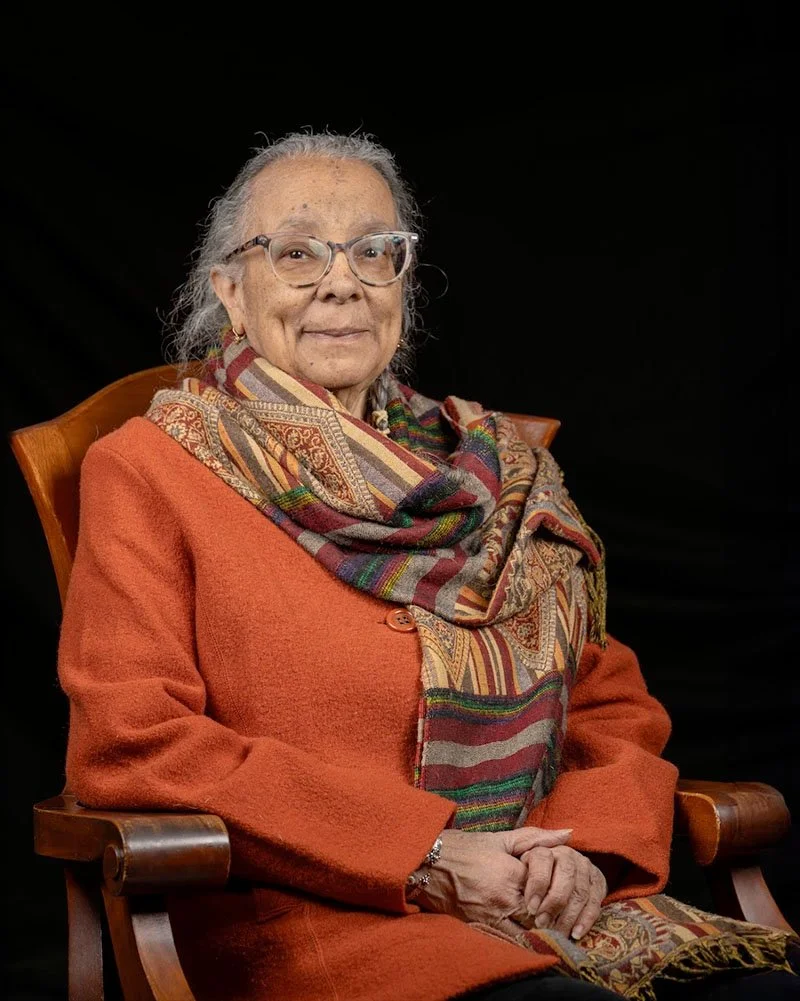
Dr. Denise H. Dunbar
Educational Leader | Scholar of Equity | Community Advocate
Dr. Denise Dunbar is a visionary educator, scholar, and community advocate whose life’s work is rooted in educational equity, culturally responsive pedagogy, and the transformative power of learning spaces that affirm the full humanity of every student. Holding a Ph.D. and decades of experience in educational leadership, Dr. Dunbar has dedicated her career to strengthening systems of teaching and learning so they are inclusive, rigorous, and reflective of the diverse communities they serve.
Throughout her professional journey in Vermont and beyond, Dr. Dunbar has served as a respected academic leader and mentor to educators, administrators, and emerging scholars. Her work bridges theory and practice—bringing research-based insight into real classrooms, faculty development spaces, and community-centered initiatives. She is widely regarded for her ability to cultivate environments of belonging, intellectual integrity, and courageous dialogue.
Dr. Dunbar’s scholarship and leadership focus on dismantling structural inequities in education while uplifting models of instruction that center cultural competence, relational trust, and student empowerment. She has contributed to statewide and institutional efforts that address access, retention, leadership development, and systemic change, always with a deep commitment to collaborative partnership.
In addition to her academic leadership, Dr. Dunbar is known for her steady presence in community engagement efforts—partnering with organizations, cultural institutions, and educational initiatives that amplify underrepresented voices and strengthen intergenerational connection. Her work resonates deeply with projects that honor history, identity, and collective storytelling, making her a natural thought leader within initiatives such as the Vibrant Lives Project.
Grounded in wisdom, discipline, and compassionate clarity, Dr. Denise Dunbar embodies the belief that education is both an intellectual pursuit and a moral responsibility. Her leadership continues to shape conversations about equity, belonging, and transformative possibility in Vermont and beyond.
Interview Summary
Vermont Educator Denise Dunbar: A Life of Resilience, Advocacy, and Educational Transformation
In an intimate biographical interview, Denise Dunbar, a Vermont-based educator and advocate, shared her remarkable journey from Brooklyn's diverse neighborhoods to becoming a pivotal voice in educational equity and anti-racism work.
Born in 1951 to a Jamaican-American family, Dunbar's early life was shaped by powerful parental influences. Her mother, a protective force, encouraged her to find her voice and overcome childhood shyness through dance and personal empowerment. Her father, a transit worker who advanced from bus driver to subway engineer, modeled breaking institutional barriers.
Dunbar's academic and advocacy work crystallized through her experiences as a single mother pursuing higher education. Carrying her three-year-old daughter while receiving her undergraduate degree, she embodied resilience and determination. This personal experience propelled her into educational advocacy, particularly focusing on addressing systemic racism and educational disparities.
Her groundbreaking book, "Black Males in the Green Mountains," emerged from Office of Civil Rights reports documenting race-based bullying in Vermont schools. The work exposed significant challenges faced by Black students, revealing that despite Vermont's small Black population, school disciplinary and achievement gaps mirrored troubling national trends.
Collaborating with activists like Paige Wadley Bailey, Dunbar helped introduce the "Reading to End Racism" program in Vermont schools. Her approach emphasizes age-appropriate, scientifically grounded discussions about race, melanin, and cultural diversity.
Drawing from a rich family history of resistance and progress—including ancestors who navigated slavery and fought for liberation—Dunbar sees her work as continuing a generational legacy of education and social justice. Her great-grandmother's insistence that her daughter would go to college ultimately led to Dunbar's own doctoral achievement.
Today, Dunbar continues researching bullying and harassment across Vermont, committed to transforming educational systems. Her message to younger generations remains powerful: "Walk in your truth. Write your narrative. Listen to elders, but know this is your world."
Dunbar's life story represents a profound testament to individual resilience, familial strength, and the transformative power of education in confronting systemic inequities.