
Dr. Jolivette Anderson Douoning
Educational Leader | Equity Strategist | Scholar-Practitioner
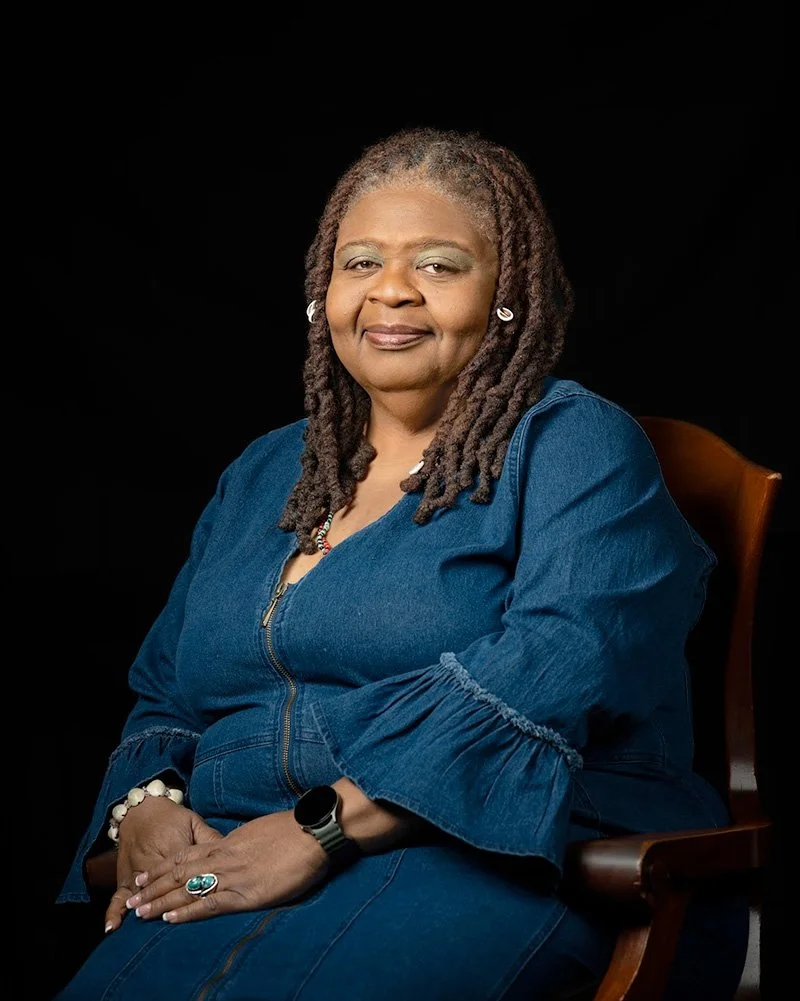
Dr. Jolivette Anderson-Douoning, PhD, is the Director of the Institute of Equity and Justice. Dr. Anderson-Douoning brings a wealth of experience in issues of equity and justice through her work with Dr. Robert “Bob” Moses and the Algebra Project as well as her involvement in connecting students at every level of education with the rich history of African Americans across the United States and the African Diaspora. Her work, described as bridging “history, education, and the lived experiences of Black people to the human experience we all share,” brings a perspective to the Institute grounded in the fight for racial justice in the United States and internationally. In addition to her national and international work, Dr. Anderson-Douoning also brings an understanding of local issues of inequity and injustice through her work with high school students in the local community.
Interview Summary
Roots, Resilience, and Radical Love: A Conversation with Dr. Jolivette Anderson
In a profound exploration of identity, heritage, and community, Dr. Jolivette Anderson reveals the intricate tapestry of her life's journey, offering a powerful narrative of black resilience and hope.
Born in 1968 in the segregated neighborhood of Hollywood, Shreveport, Louisiana, Dr. Anderson's story is a testament to the strength of community and the transformative power of education. Just four months after Dr. Martin Luther King Jr.'s assassination, her birth became a symbol of continued hope and resistance.
Anderson's educational philosophy emerges from her deeply rooted community experiences. Growing up in a neighborhood where survival meant collective protection, she learned that every child is valuable and deserves dignity. This principle now guides her work as an educator, where she champions participatory democracy and believes in providing opportunities for all students to learn and grow.
Her approach to cultural identity is deeply personal and intentional. As the mother of a daughter with mixed African heritage, she orchestrated a transformative journey to Ivory Coast, ensuring her child understood her familial roots. "I wanted her to meet her people," Anderson explained, highlighting the importance of connecting younger generations to their cultural origins.
The interview reveals Anderson's remarkable ability to transform trauma into wisdom. A pivotal bus accident during a civil rights historical tour, which resulted in a friend's death, became a profound learning experience. "The blessings became lessons," she reflected, demonstrating her philosophy of resilience.
As an academic with a PhD in American Studies, Anderson is committed to preserving history, particularly the untold stories of black communities. Her dissertation was inspired by her grandmother's handwritten ledger, documenting black life in the 1940s and 50s - a project she rescued from being discarded, symbolizing her role as a cultural historian.
Her most powerful message resonates with self-love and community service. "Love is something that you carry within you," she stated, "and it exudes out in the way that you treat yourself and other people."
For young people, her advice is simple yet profound: Find your passion, love yourself fully, and use your talents to serve humanity. "Keep on pushing," she says, echoing the words of civil rights leader Bob Moses, a mantra of persistent hope and progress.
Dr. Anderson's narrative is more than a personal story - it's a blueprint for understanding resilience, cultural pride, and the enduring power of community.