
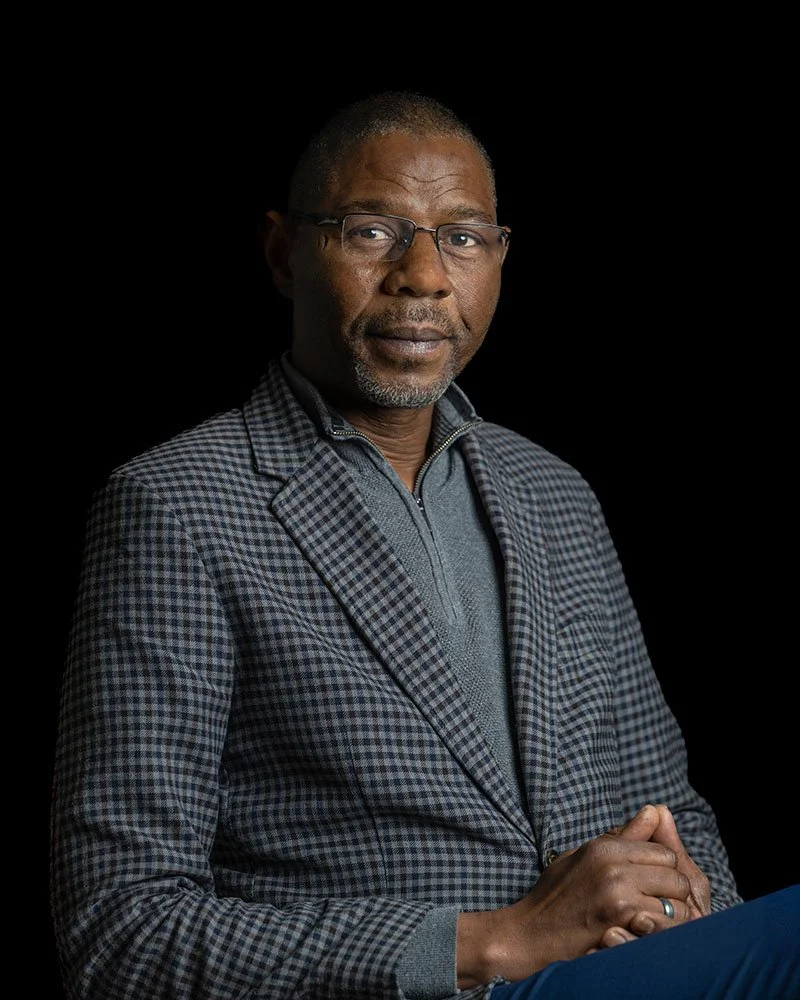
Mohamedou Diop
Education Administrator | State Board of Education Member | Global Leader
Mohamedou Diop is an educator, administrator, and global education leader whose work bridges continents, cultures, and classrooms. As Director of Multilingual Learner Programs for the Winooski School District, Diop plays a pivotal role in advancing equitable access for students whose linguistic and cultural identities enrich Vermont’s educational landscape.
Originally from Mauritania, Diop brings more than a decade of international educational experience to his leadership in Vermont. In his home country, he served as a high school principal and educator, developing deep expertise in school leadership, instructional systems, and cross-cultural communication. He also worked as an interpreter for institutions including the U.S. Embassy and the United Nations—roles that strengthened his capacity to navigate complex global and diplomatic spaces with clarity and care.
In Vermont, Diop’s professional journey within the Winooski School District has been marked by steady progression and impact. Before becoming Director, he served as a Behavior Interventionist and later as Hiring and Recruiting Staff of Color Coordinator, contributing to efforts to build a more representative and culturally responsive educational workforce. His leadership reflects a systems-level understanding of equity—recognizing that student success is intertwined with inclusive hiring, supportive learning environments, and culturally sustaining practices.
Beyond district leadership, Diop was appointed to the Vermont State Board of Education, where he helps shape statewide educational policy. He also serves on the board of the Vermont Council on World Affairs, reinforcing his commitment to global engagement, diplomacy, and international awareness within local contexts.
As part of the Vibrant Lives Project, Mohamedou Diop represents the evolving story of global migration and educational leadership in Vermont. His journey—from Mauritanian school principal to Vermont state education policymaker—embodies the transformative power of multilingualism, cross-cultural fluency, and institutional stewardship. His work affirms that education is both local and global, and that multilingual learners are not peripheral to Vermont’s future—they are central to it.
Diop’s leadership reminds us that vibrant lives are built at the intersection of language, opportunity, and belonging—and that when schools honor the full identities of their students, communities thrive.
Interview Summary
A Journey from Loss to Leadership: Mohamedou Diop’s Lesson for Youth
Mohamedou Diop shares his story—a journey that begins with loss but leads to hope and leadership. Mr. Diop, who now works as the Director of Multilingual Learner Programs, grew up thousands of miles away in Nouakchott, Mauritania. Mauritania is a country located in Northwest Africa.
From an early age, Mohamedou faced challenges that might have broken others. He lost his mother when he was only ten years old, and his father passed away a few years ago. “I miss them a lot… it helps me understand the way life works,” Mohamedou recalls, his words heavy with meaning. But instead of letting grief take over, he found strength in the lessons his parents taught him—especially curiosity and the importance of asking questions.
One of Mohamedou’s strongest beliefs is that no one can succeed alone. “One hand cannot clap,” he says, using a West African saying to explain why community and working together matter so much. In his childhood home, everyone was welcome—neighbors, relatives, even strangers who became friends. “We help as much as we can,” he remembers. This spirit of trust and togetherness shaped who Mohamedou is today.
Now, as a leader and educator, Mohamedou’s mission is to make sure young people know they are not alone. He urges teachers to really get to know their students, to listen to their stories, and include parents in shaping education. “Facing a student means facing a human being,” he says.
He advises youth not to waste time scrolling through social media but to use their energy and curiosity to learn and build a better future. “The future is now,” Mohamedou insists. “Shape it the way you want it to be.”
Mohamedou’s story shows that even in the face of loss, we can find hope in supporting one another and believing in the power of education. His life is proof that together, we can turn challenges into opportunities and create a bright, vibrant future.