
Thierry Uwilingiyimana
Educator | Technologist | Anti-Racist Education Advocate
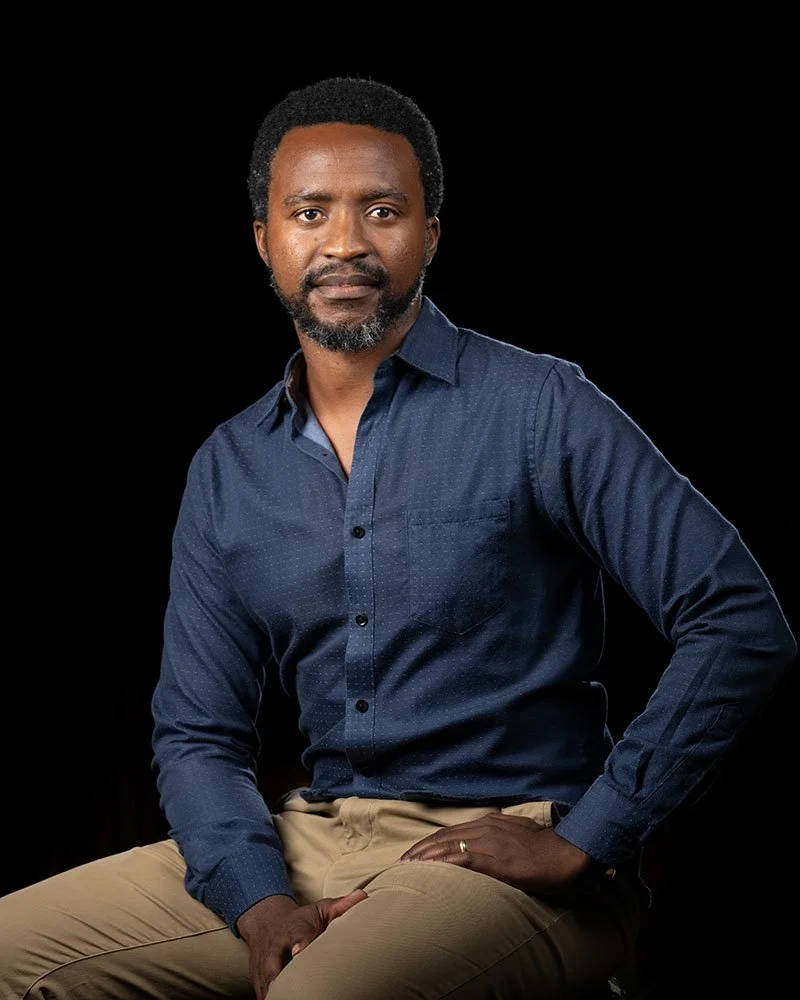
Thierry Uwilingiyimana—often known as Mugabo Thierry Uwilingiyimana—is a Vermont-based educator, technologist, and systems thinker whose work lives at the intersection of equity, innovation, and student voice. Widely recognized for his leadership within the Winooski School District, he has been a prominent advocate for anti-racist education and transformative curriculum design rooted in justice and belonging.
As a classroom teacher in Winooski, Uwilingiyimana emerged as a steady and principled voice for educational equity. He supported and amplified student-led initiatives, including the Winooski Students for Anti-Racism, helping young people articulate their experiences and advocate for systemic reform. His approach to teaching has consistently centered place-based learning—connecting academic content to the lived realities of students and the broader community. For him, curriculum is not static; it is relational, responsive, and rooted in context.
Beyond the classroom, Uwilingiyimana has extended his impact into educational technology and entrepreneurship. He served as Product Director for SchoolHack Solutions, a Vermont-based company focused on personalized learning, helping shape tools designed to support differentiated instruction and student agency. As co-founder of ClassTracks, he developed a platform to assist English Language Learners in mastering vocabulary through gamified learning experiences—reflecting his commitment to culturally responsive and accessible educational tools.
Currently, Uwilingiyimana works as a Software Engineer at Desmos Classroom, a widely respected math technology platform. In this role, he continues to bridge classroom pedagogy and digital innovation, designing tools that enhance mathematical thinking while honoring effective instructional practice. His work demonstrates that technology, when guided by equity and insight, can deepen—not replace—human-centered teaching.
Uwilingiyimana has also collaborated with the University of Vermont on initiatives such as “Teaching through Technology,” exploring how digital tools can support social justice education and critical inquiry. His leadership reflects a rare synthesis: educator, engineer, organizer, and designer—each role reinforcing the others.
As part of the Vibrant Lives Project, Thierry Uwilingiyimana represents a generation of leaders reshaping education from within. His journey illustrates how classrooms, code, and community activism can work together toward systemic transformation. He reminds us that vibrant lives are not confined to a single discipline—they innovate, organize, teach, and build in pursuit of more just learning environments.
His work stands as a testament to the power of student voice, the necessity of anti-racist practice, and the promise of technology aligned with human dignity.
Interview Summary
From Refugee to Educator: One Man's Journey to Empower Youth
In the quiet hills of Vermont, Mugabo Uwilingiyimana's story is a powerful testament to resilience, hope, and the transformative power of education.
Born in Rwanda in 1986, Mugabo's childhood was dramatically altered by the devastating genocide that tore his country apart. At just seven years old, he and his family became refugees, moving through Congo and Zambia, searching for safety and a place to call home.
"We lost everything," Mugabo recalls. "But we never lost our hope."
When the United States offered his family asylum, they arrived in Buffalo, New York, carrying memories of conflict but also dreams of a better future. Mugabo's mother, worried about how America might impact her children, especially her sons, made a crucial decision to send her children to a private school that would provide educational opportunities.
That decision changed everything. Despite feeling isolated and separated from his cultural roots, Mugabo excelled academically. He was accepted to top universities like Yale and Stanford, but he never forgot where he came from.
During a pivotal time in his career, Mugabo taught in Winooski, working with immigrant students who reminded him of his younger self. This experience reconnected him with his own teenage experiences and deepened his understanding of cultural identity and education.
"Education can prevent conflict," Mugabo believes. "When young people have hope and opportunities, they can build a better future."
His approach is deeply personal. Having experienced the pain of displacement and cultural disconnection, he advocates for educational environments where students feel valued, respected, and empowered. He teaches that cultural background is not a weakness, but a strength.
Mugabo's philosophy is rooted in the African concept of collective responsibility. "We belong to each other," he says. "What I have is not just mine, but ours."
Now married and planning to start a family, Mugabo sees Vermont as a place of potential – a state slowly becoming more diverse and inclusive. He plans to travel with his family, showing his future children the importance of understanding their roots while embracing new opportunities.
His message to young people is simple but powerful: Stay connected to your identity, find mentors who believe in you, and never stop learning.
In Mugabo's world, education is not just about academic success – it's about healing, understanding, and building bridges between cultures.